In today's competitive business landscape, finding ways to minimize operating expenses is crucial for long-term success. This guide dives into various strategies and techniques to help businesses reduce costs effectively.
From identifying key areas for cost-cutting to optimizing energy usage and investing in employee training, this resource provides valuable insights to enhance profitability and efficiency.
Strategies for Reducing Business Operating Expenses
Reducing business operating expenses is crucial for improving profitability and sustainability. By identifying key areas where expenses can be minimized, setting specific cost reduction goals, and implementing effective cost-cutting measures, businesses can optimize their financial performance. Let's explore some strategies to achieve this:
Identifying Key Areas for Expense Minimization
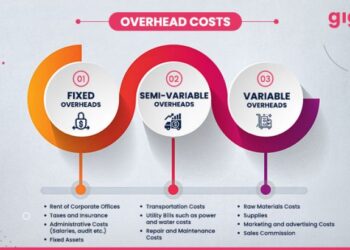
One key area where businesses can reduce expenses is by evaluating their overhead costs. This includes expenses related to rent, utilities, office supplies, and other administrative expenses. By renegotiating contracts, consolidating services, or exploring more cost-effective alternatives, businesses can significantly reduce their overhead expenses.
Setting Specific Cost Reduction Goals
It is essential for businesses to set specific and measurable cost reduction goals to track their progress effectively. By setting targets for reducing expenses in different areas of operations, businesses can focus their efforts and resources on areas that offer the most significant cost-saving opportunities.
Regularly monitoring and evaluating progress towards these goals is crucial for achieving sustainable cost reductions.
Implementing Cost-Cutting Measures
There are several cost-cutting measures that businesses can implement to reduce their operating expenses. This includes renegotiating contracts with suppliers to secure better terms, implementing energy-saving initiatives to reduce utility costs, optimizing inventory management to minimize carrying costs, and streamlining business processes to improve efficiency.
By identifying inefficiencies and eliminating unnecessary expenses, businesses can achieve significant cost savings.Overall, by being proactive in identifying cost-saving opportunities, setting clear goals, and implementing effective cost-cutting measures, businesses can successfully reduce their operating expenses and improve their bottom line.
Managing Overhead Costs
When it comes to managing overhead costs, businesses must review and analyze all expenses to identify areas where savings can be made. By carefully examining overhead costs, companies can find opportunities to reduce expenses and improve profitability.
Reviewing and Analyzing Overhead Costs
- Start by categorizing overhead costs such as rent, utilities, insurance, and office supplies.
- Use financial statements and accounting software to track and analyze expenses over time.
- Compare current overhead costs to industry benchmarks to identify areas of overspending.
- Regularly review and update overhead cost analysis to ensure ongoing savings.
Tips for Negotiating Better Deals with Suppliers
- Consolidate purchases with a single supplier to leverage volume discounts.
- Negotiate longer payment terms or early payment discounts to improve cash flow.
- Request competitive bids from multiple suppliers to secure the best pricing.
- Build strong relationships with suppliers to negotiate better deals in the long term.
Impact of Reducing Overhead Costs on Overall Profitability
Reducing overhead costs can have a significant impact on a company's bottom line. By cutting unnecessary expenses and negotiating better deals, businesses can increase profitability and reinvest savings into growth opportunities. It also improves financial stability and resilience during challenging economic times.
Optimizing Energy Usage

Reducing energy consumption in the workplace is crucial for cutting down on operating expenses. By implementing energy-efficient practices, businesses can not only save costs but also contribute to a more sustainable environment.
Ways to Reduce Energy Consumption
- Upgrade to energy-efficient lighting such as LED bulbs to reduce electricity usage.
- Implement automated controls for heating, ventilation, and air conditioning systems to optimize energy usage based on occupancy.
- Regularly maintain equipment and machinery to ensure they are running efficiently and not wasting energy.
- Encourage employees to power off electronics when not in use and unplug chargers to prevent phantom energy loss.
Examples of Energy-Efficient Practices
- Setting computers to sleep mode when inactive instead of leaving them running all day.
- Utilizing natural light by opening blinds or using daylight sensors to reduce the need for artificial lighting.
- Installing energy-efficient appliances in break rooms and kitchens to lower electricity consumption.
Benefits of Investing in Energy-Saving Technologies
- Long-term cost savings on utility bills by reducing energy consumption.
- Enhanced company reputation for being environmentally conscious and sustainable.
- Potential tax incentives or rebates for implementing energy-saving measures.
Streamlining Processes and Workflows
Streamlining business processes is crucial for improving efficiency and reducing waste in operations. By optimizing workflows, businesses can eliminate unnecessary steps, reduce errors, and ultimately save time and money.
Strategies for Improving Efficiency and Reducing Waste
Implementing the following strategies can help businesses streamline processes and workflows:
- Identify bottlenecks: Analyze the current workflows to identify any bottlenecks or areas of inefficiency. Addressing these bottlenecks can lead to significant improvements in overall productivity.
- Standardize procedures: Establish standardized procedures for repetitive tasks to ensure consistency and reduce the likelihood of errors. This can also make it easier to train new employees.
- Automate manual tasks: Utilize tools and software that can automate manual tasks, such as data entry or report generation. Automation can help save time and reduce the risk of human error.
- Implement lean principles: Adopt lean principles, such as eliminating waste and optimizing resources, to streamline processes and improve overall efficiency.
Examples of Tools or Software for Automation
There are various tools and software available that can help automate tasks and streamline workflows:
| Tool/Software | Functionality |
|---|---|
| Workflow management software | Allows businesses to design, automate, and manage workflows efficiently. |
| Customer relationship management (CRM) software | Helps businesses automate sales and marketing processes, manage customer interactions, and improve overall efficiency. |
| Accounting software | Automates financial tasks, such as invoicing, payroll, and expense tracking, to streamline accounting processes. |
Employee Training and Development
Investing in employee training and development is crucial for enhancing productivity and efficiency within a business. By providing opportunities for learning and growth, employees are better equipped to perform their tasks effectively and contribute to the overall success of the company.
Impact of Training Programs on Employee Productivity
Employee training programs have a direct impact on productivity levels within an organization. When employees receive proper training, they are more knowledgeable and skilled in their roles, leading to increased efficiency and quality of work. Additionally, training helps employees stay updated on industry trends and best practices, allowing them to adapt to changes and perform tasks more effectively.
Investing in Employee Development to Increase Efficiency
- Offering regular training sessions and workshops to enhance skills and knowledge.
- Providing opportunities for employees to attend conferences or seminars related to their field.
- Implementing mentorship programs to encourage continuous learning and growth.
- Supporting further education through tuition reimbursement or sponsorship programs.
Cost-Effective Training Methods for Employees
- Utilizing online training platforms and resources to provide flexible learning opportunities.
- Implementing peer-to-peer training sessions to share knowledge and best practices among employees.
- Creating in-house training programs led by experienced staff members to develop specific skills.
- Utilizing free or low-cost resources such as webinars, podcasts, and online courses to supplement training initiatives.
Epilogue
As we wrap up our discussion on reducing business operating expenses, remember that implementing these tips can lead to significant cost savings and improved financial health for your company. By focusing on smart cost-cutting measures and strategic investments, you can pave the way for sustainable growth and success in the long run.
Essential FAQs
How can businesses identify key areas for cost reduction?
Businesses can identify key areas for cost reduction by conducting a thorough review of their expenses, analyzing where the most money is being spent, and prioritizing areas where costs can be minimized effectively.
Why is it important to invest in employee training and development?
Investing in employee training and development can lead to increased productivity, improved job satisfaction, and enhanced skills that contribute to overall business success.
What are some cost-effective training methods for employees?
Cost-effective training methods for employees include online courses, webinars, workshops, mentorship programs, and cross-training opportunities that can help enhance skills without incurring significant costs.