Exploring strategies to reduce overhead costs in small businesses opens up a world of possibilities for increased profitability and efficiency. This guide delves into key concepts and practical tips to help businesses thrive in a competitive market landscape.
Understanding the impact of high overhead costs and implementing effective cost-cutting measures are vital steps towards sustainable growth and success.
Understanding Overhead Costs
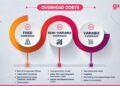
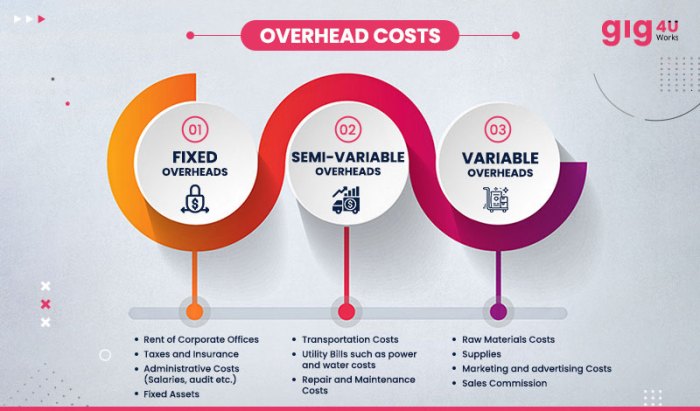
In a business context, overhead costs refer to ongoing expenses that are necessary to keep the business running but are not directly tied to producing a specific product or service.Overhead costs include expenses such as rent, utilities, insurance, salaries of administrative staff, office supplies, and maintenance costs.
These costs are essential for the day-to-day operations of the business but do not directly contribute to generating revenue.
Examples of Common Overhead Costs in Small Businesses
- Rent for office or retail space
- Utilities such as electricity, water, and internet
- Salaries of administrative staff
- Insurance premiums
- Office supplies and equipment
- Marketing and advertising expenses
Impact of High Overhead Costs on a Small Business
High overhead costs can significantly impact the financial health of a small business. When overhead costs are too high, it can lead to reduced profitability, cash flow issues, and ultimately, the risk of business failure. Small businesses with high overhead costs may struggle to stay competitive in the market and may have difficulty investing in growth opportunities.
Strategies to Reduce Overhead Costs

Budgeting and Tracking ExpensesImplementing a detailed budgeting process and consistently tracking expenses is crucial for reducing overhead costs in a small business. By setting clear financial goals and monitoring spending patterns, you can identify areas where costs can be minimized or eliminated.
Renegotiating Contracts with Suppliers
When looking to reduce overhead costs, renegotiating contracts with suppliers can be a highly effective strategy. By leveraging your business relationships and exploring options for better terms or lower prices, you can secure cost savings that directly impact your bottom line.
Outsourcing Non-Core Activities
Outsourcing non-core activities such as payroll processing, IT support, or marketing can provide significant cost savings for small businesses. By entrusting these functions to specialized external providers, you can focus your resources on core business operations while benefiting from expertise and economies of scale.
Increasing Operational Efficiency
In order to reduce overhead costs in a small business, it is crucial to focus on increasing operational efficiency. By streamlining business processes, leveraging technology, and cross-training employees, businesses can cut down on unnecessary expenses and improve overall productivity.
Streamlining Business Processes
One key strategy to reduce overhead costs is to streamline business processes. This involves identifying inefficiencies and bottlenecks in operations and finding ways to simplify workflows. By eliminating redundant steps, automating repetitive tasks, and optimizing the use of resources, businesses can operate more efficiently and effectively.
- Conduct a thorough review of current processes to identify areas for improvement.
- Implement standardized procedures to ensure consistency and reduce errors.
- Utilize project management tools to track progress and allocate resources efficiently.
- Regularly evaluate and adjust processes to adapt to changing business needs.
Role of Technology in Automation
Technology plays a crucial role in automating tasks and reducing overhead costs. By implementing software solutions and tools that streamline operations, businesses can improve efficiency and productivity while minimizing manual labor and associated costs.
- Invest in software systems for accounting, inventory management, and customer relationship management.
- Automate repetitive tasks such as invoicing, payroll processing, and data entry.
- Utilize cloud-based applications for remote access and collaboration among team members.
- Implement e-commerce platforms to streamline online sales and transactions.
Cross-Training Employees
Cross-training employees can also help cut down on expenses by ensuring flexibility and adaptability within the workforce. By providing employees with training in multiple roles and responsibilities, businesses can reduce the need for additional hires and minimize downtime in case of absences or turnover.
- Identify key skills and competencies that can be shared among team members.
- Provide cross-training opportunities to enhance employee knowledge and expertise.
- Encourage collaboration and communication among employees to facilitate knowledge transfer.
- Reward and recognize employees who demonstrate proficiency in multiple areas.
Maximizing Resource Utilization

Optimizing the use of equipment and resources is crucial for small businesses looking to reduce overhead costs and improve operational efficiency. By implementing energy-saving measures, reducing waste, and enhancing inventory management, businesses can maximize their resource utilization and ultimately increase profitability.
Implementing Energy-Saving Measures
Implementing energy-saving measures such as switching to energy-efficient lighting, equipment, and appliances can significantly reduce utility costs for small businesses. By investing in energy-efficient technologies and practices, businesses can lower their electricity bills and decrease their overall operational expenses. This not only helps in cost reduction but also contributes to a more sustainable and environmentally friendly business operation.
Reducing Waste and Improving Inventory Management
Reducing waste and improving inventory management are key strategies for maximizing resource utilization in small businesses. By minimizing waste through efficient production processes and proper inventory control, businesses can save money on raw materials and reduce disposal costs. Implementing just-in-time inventory systems, conducting regular inventory audits, and optimizing stocking levels can help businesses streamline their operations and prevent overstocking or stockouts.
Final Summary
In conclusion, reducing overhead costs is not just about saving money - it's about optimizing resources, enhancing operational efficiency, and fostering a culture of cost-consciousness. By implementing the strategies Artikeld in this guide, small businesses can pave the way for long-term financial stability and growth.
FAQ Compilation
What are some common overhead costs in small businesses?
Common overhead costs in small businesses include rent, utilities, salaries, insurance, and office supplies.
How can outsourcing non-core activities help in reducing overhead costs?
Outsourcing non-core activities can reduce costs by allowing businesses to focus on their core competencies and avoid the expenses associated with hiring full-time employees.
What are some energy-saving measures that can help reduce overhead costs?
Implementing energy-saving measures such as using energy-efficient appliances, optimizing heating and cooling systems, and encouraging employees to conserve energy can significantly reduce overhead costs.