Delving into the realm of employee training programs, the importance of investing in cost-effective strategies cannot be overstated. This article aims to shed light on the significance of such investments for organizational success, offering a comprehensive guide to creating impactful training programs without breaking the bank.
Exploring the nuances of designing, implementing, and overcoming challenges in cost-effective employee training, this piece seeks to equip readers with actionable insights to maximize training effectiveness while minimizing costs.
Importance of Investing in Cost-Effective Employee Training Programs
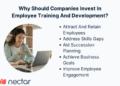
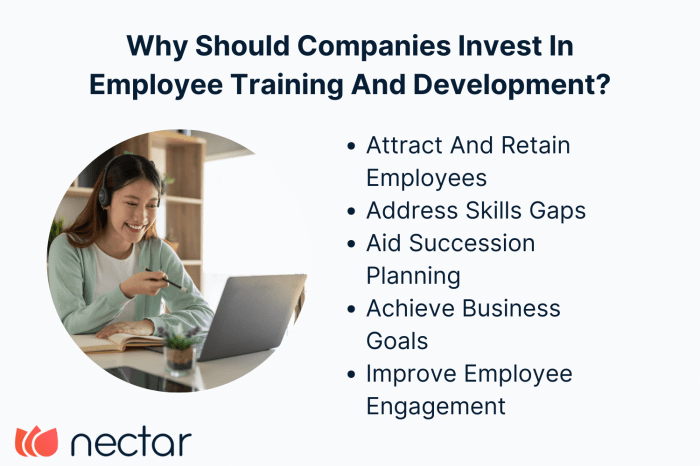
Investing in cost-effective employee training programs is crucial for a company's success as it helps in enhancing the skills and knowledge of employees, leading to increased productivity and efficiency in the workplace.
Enhanced Employee Skills and Productivity
Cost-effective training programs provide employees with the opportunity to learn new skills, stay updated on industry trends, and improve their performance. For example, a customer service training program can help employees develop better communication skills, empathy, and problem-solving abilities, leading to improved customer satisfaction and retention.
Long-Term Benefits for Employee Retention and Organizational Growth
By investing in employee training, companies can experience long-term benefits such as higher employee retention rates and overall organizational growth. Well-trained employees are more likely to feel valued and satisfied in their roles, leading to increased loyalty and reduced turnover.
This, in turn, can result in cost savings for the company by reducing recruitment and onboarding expenses. Additionally, a skilled workforce can contribute to innovation, improved performance, and competitive advantage in the market.
Designing Cost-Effective Employee Training Programs
When it comes to designing cost-effective employee training programs, it is important to find a balance between effectiveness and budget constraints. Here are some strategies to help you create training programs that are both impactful and affordable:
Tailoring Training Programs to Different Learning Styles and Skill Levels
- Conduct a thorough assessment of your employees' learning styles and skill levels to customize the training content accordingly.
- Offer a variety of training methods such as hands-on workshops, online courses, simulations, and group discussions to cater to different learning preferences.
- Provide opportunities for employees to receive feedback and ask questions to ensure that the training is engaging and effective for everyone.
- Consider implementing a mentorship program where more experienced employees can guide and support those who may need extra help.
Leveraging Technology and Online Resources
- Utilize online learning platforms and tools to deliver training content in a cost-effective manner, reducing the need for expensive in-person sessions.
- Explore the use of virtual reality simulations or interactive e-learning modules to enhance the learning experience while keeping costs low.
- Encourage employees to take advantage of free or low-cost online courses and resources to supplement their training and development.
- Implement a learning management system to track employee progress, provide access to training materials, and facilitate communication between trainers and trainees.
Implementing Cost-Effective Training Programs
Implementing cost-effective training programs within an organization involves several key steps to ensure successful outcomes. Companies can follow these steps to design and execute training programs that are both efficient and budget-friendly.
Identify Training Needs
- Conduct a thorough assessment of the skills and knowledge gaps within the organization.
- Consult with managers, team leaders, and employees to determine specific training needs.
Develop Training Objectives
- Define clear and measurable goals for the training program.
- Align training objectives with the overall strategic objectives of the organization.
Choose the Right Training Methods
- Select training methods that are cost-effective and align with the learning preferences of employees.
- Consider a mix of online courses, workshops, on-the-job training, and mentoring programs.
Utilize Internal Resources
- Tap into the expertise of internal trainers and subject matter experts to reduce training costs.
- Encourage knowledge sharing and peer-to-peer training to leverage existing talent within the organization.
Measure Training Effectiveness
- Implement pre and post-training assessments to evaluate the impact of training on employee performance.
- Track key performance indicators (KPIs) to measure the return on investment (ROI) of training programs.
Overcoming Challenges in Cost-Effective Employee Training
Implementing cost-effective employee training programs comes with its own set of challenges that organizations need to address. These challenges can range from budget constraints to adapting to changing needs and circumstances. However, with the right strategies in place, companies can overcome these challenges and provide valuable training opportunities to their employees.
Identifying Common Challenges
- Limited Budgets: One of the most common challenges faced when implementing cost-effective training programs is having limited budgets to work with. This can make it difficult to invest in high-quality training materials or resources.
- Lack of Time: Another challenge is the lack of time to dedicate to training programs. Employees may already have full schedules, making it hard to find time for additional training.
- Resistance to Change: Some employees may resist participating in training programs, especially if they feel they already have the necessary skills. Overcoming this resistance can be a challenge for organizations.
Strategies for Overcoming Challenges
- Utilize Technology: Leverage online training platforms and tools to reduce costs associated with traditional in-person training sessions. This can also help with time constraints by allowing employees to complete training at their own pace.
- Collaborate with Experts: Partner with external training experts or industry professionals who can provide valuable insights and resources at a fraction of the cost of developing training programs in-house.
- Encourage Continuous Learning: Foster a culture of continuous learning within the organization to make training a regular part of employees' development. This can help overcome resistance to change and create a more engaged workforce.
Importance of Flexibility and Adaptability
Flexibility and adaptability are key when it comes to overcoming challenges in cost-effective employee training. By being open to adjusting training programs to meet changing needs and circumstances, organizations can ensure that their training efforts remain relevant and impactful. This flexibility allows companies to pivot quickly in response to new challenges or opportunities, ultimately leading to a more successful training program.
Final Summary
In conclusion, the journey of investing in cost-effective employee training programs is not just about saving resources but also about nurturing a skilled workforce that propels the organization towards sustainable growth. By embracing innovative approaches and staying attuned to evolving needs, companies can navigate the training landscape with finesse and foresight.
FAQ Insights
How can cost-effective training programs benefit a company?
Cost-effective training programs can enhance employee skills, improve productivity, and contribute to long-term organizational growth.
What are some strategies for designing budget-friendly training programs?
Designing cost-effective training programs involves tailoring them to different learning styles, leveraging technology, and utilizing online resources efficiently.
How can companies measure the ROI of their training programs?
Companies can measure the ROI of training programs by evaluating their effectiveness in terms of employee retention and overall organizational success.
What are the common challenges faced in implementing cost-effective training programs?
Common challenges include budget constraints, adapting to changing needs, and ensuring training quality while minimizing costs.