Cost-effective ways to improve employee productivity offers a comprehensive guide on optimizing work performance while keeping costs in check. From leveraging technology solutions to implementing remote work strategies, this discussion delves into actionable methods to boost productivity effectively.
As we explore the various facets of enhancing employee productivity, valuable insights and practical tips will be shared to empower organizations in maximizing their workforce potential.
Cost-effective Technology Solutions

Investing in cost-effective technology solutions can significantly enhance employee productivity and streamline work processes. By implementing the right software applications or platforms, businesses can achieve long-term cost savings and increase efficiency.
Cloud-Based Collaboration Tools
Cloud-based collaboration tools like Google Workspace or Microsoft 365 offer a cost-effective solution for teams to work together remotely. These platforms provide real-time communication, file sharing, and project management capabilities, allowing employees to collaborate effectively from anywhere.
Project Management Software
Utilizing project management software such as Trello, Asana, or Monday.com can help organizations track tasks, deadlines, and progress efficiently. These tools enable team members to prioritize work, allocate resources, and stay organized, resulting in improved productivity and project outcomes.
Time Tracking Applications
Implementing time tracking applications like Toggl or Clockify can help businesses monitor employee productivity and optimize time management. By tracking time spent on tasks and projects, organizations can identify inefficiencies, set realistic goals, and improve overall productivity in a cost-effective manner.
Remote Work Strategies
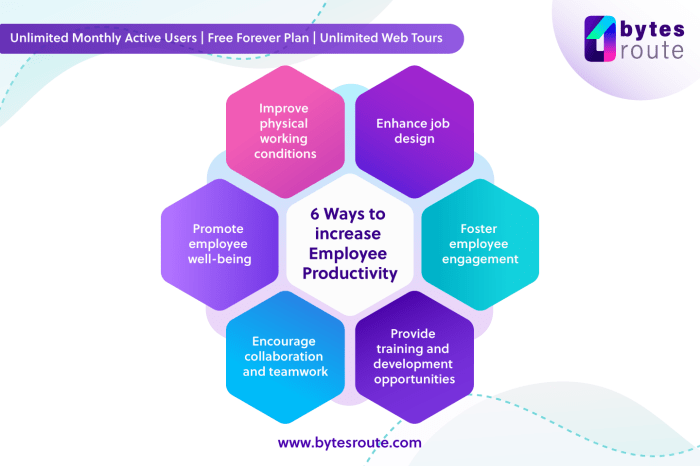
Managing remote teams effectively is crucial for maintaining productivity and ensuring a seamless workflow. Utilizing the right tools and methods for remote collaboration and communication can greatly enhance team performance. Here are some strategies to consider:
Effective Communication Tools
- Utilize video conferencing platforms like Zoom or Microsoft Teams for virtual meetings to foster face-to-face interactions.
- Implement project management tools such as Trello or Asana to track progress, assign tasks, and ensure transparency within the team.
- Encourage the use of instant messaging apps like Slack or Microsoft Teams for quick communication and updates throughout the day.
Employee Engagement and Motivation
- Organize virtual team-building activities to promote camaraderie and boost morale among team members.
- Provide regular feedback and recognition for achievements to keep employees motivated and engaged in their work.
- Establish clear goals and expectations for remote employees to maintain focus and drive productivity.
Training and Development Programs
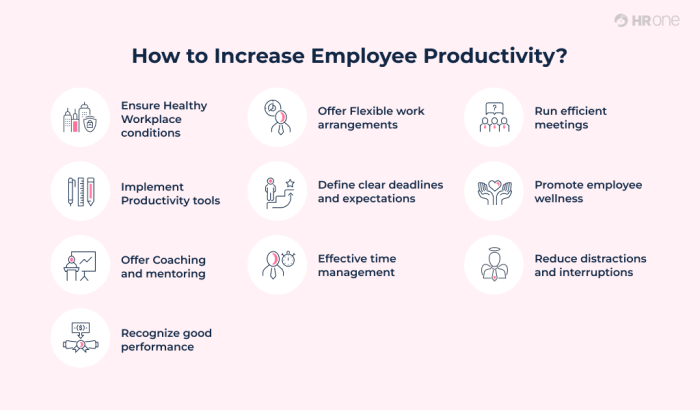
Investing in training and development programs for employees is crucial for enhancing their skills, knowledge, and overall performance. These programs not only help employees stay relevant in their roles but also contribute to the growth and success of the organization as a whole.
Cost-effective Skill Development Opportunities
Providing cost-effective skill development opportunities can be achieved through various means such as online courses, webinars, workshops, and mentorship programs. These options are often more affordable than traditional classroom training and allow employees to learn at their own pace while balancing their work responsibilities
- Encourage employees to take advantage of free online resources and platforms like Coursera, Udemy, or LinkedIn Learning to develop new skills relevant to their roles.
- Implement a peer-to-peer learning program where employees can share their expertise and learn from each other, promoting a culture of continuous learning within the organization.
- Utilize internal resources and talent by offering cross-training opportunities that allow employees to acquire new skills and knowledge from colleagues in different departments.
Benefits of Ongoing Learning Initiatives
Ongoing learning initiatives not only benefit employees by enhancing their skills and knowledge but also have a positive impact on the organization as a whole. Employees who participate in continuous learning are more engaged, motivated, and productive, leading to improved overall performance and business outcomes.
- Increased employee satisfaction and retention as individuals feel valued and supported in their professional development.
- Enhanced adaptability and agility within the organization as employees are equipped with the skills needed to respond to changing industry trends and demands.
- Improved innovation and creativity as employees are encouraged to think outside the box and apply new knowledge and skills to their work.
Flexible Work Arrangements
Implementing flexible work arrangements can significantly improve employee productivity by allowing individuals to work in a way that suits their personal needs and preferences. This can lead to increased job satisfaction, motivation, and overall well-being, which in turn enhances performance and efficiency.
Advantages of Flexible Work Arrangements
- Improved work-life balance: Flexible work policies enable employees to better manage their personal and professional responsibilities, reducing stress and burnout.
- Increased employee engagement: Giving workers the autonomy to choose when and where they work can boost morale and motivation, leading to higher levels of engagement.
- Enhanced retention rates: Offering flexibility shows employees that their well-being is valued, which can result in higher retention rates and lower turnover.
Examples of Flexible Work Policies
- Telecommuting: Allowing employees to work remotely from home or other locations can eliminate commute time and distractions, leading to increased focus and productivity.
- Flextime: Offering flexible work hours allows employees to choose their start and end times, accommodating their peak productivity hours and personal commitments.
- Compressed workweek: Allowing employees to work longer hours on fewer days can provide extended weekends, promoting work-life balance and reducing absenteeism.
Contributing to Work-Life Balance and Job Satisfaction
Flexible work arrangements contribute to a better work-life balance by empowering employees to manage their time effectively, resulting in reduced stress and increased job satisfaction. This sense of control over one's schedule can lead to higher morale, motivation, and overall well-being, ultimately benefiting both employees and the organization.
Epilogue
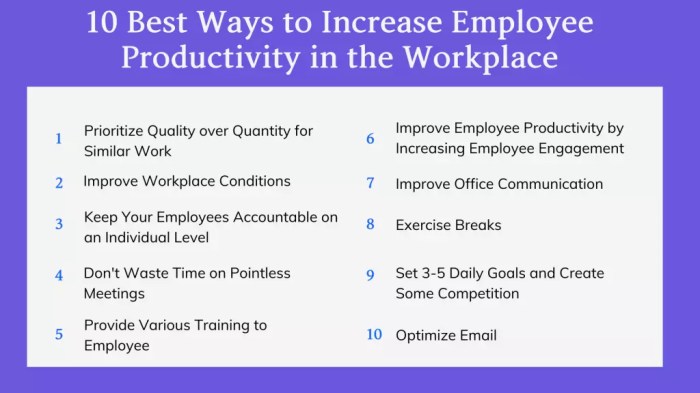
In conclusion, implementing cost-effective measures to enhance employee productivity not only drives efficiency but also fosters a culture of continuous improvement within the workplace. By embracing innovative tools and flexible work arrangements, organizations can create a conducive environment that nurtures employee growth and success.
Question & Answer Hub
How can technology solutions enhance employee productivity?
Technology solutions can streamline work processes, automate repetitive tasks, and improve communication, leading to increased efficiency and productivity.
What are some examples of flexible work arrangements?
Flexible work arrangements include telecommuting, flextime, compressed workweeks, and job sharing, allowing employees to balance work and personal responsibilities effectively.
Why is investing in training and development programs crucial for employee productivity?
Training and development programs help employees acquire new skills, stay updated with industry trends, and feel motivated, resulting in improved performance and productivity.