Strategies for cost-effective business growth set the foundation for this compelling narrative, providing readers with a detailed look at innovative approaches to enhancing business success. From understanding the concept to leveraging technology and strategic partnerships, this guide covers it all.
The following paragraphs delve into key aspects of cost-effective business growth, offering valuable insights and practical tips for businesses looking to thrive in a competitive market.
Understanding Cost-effective Business Growth
Cost-effective business growth for small or medium-sized enterprises refers to the ability to expand and increase profitability while keeping expenses at a minimum. This approach focuses on maximizing resources and optimizing processes to achieve sustainable growth without incurring excessive costs.Cost-effective strategies are crucial for sustainable business development as they enable companies to allocate their resources efficiently, minimize waste, and adapt to changing market conditions.
By implementing cost-effective initiatives, businesses can improve their competitiveness, enhance their financial stability, and ensure long-term success.
Examples of Cost-effective Growth Initiatives
- Investing in technology upgrades to streamline operations and reduce manual errors.
- Implementing employee training programs to enhance skills and productivity without the need for external hires.
- Utilizing digital marketing techniques to reach a wider audience at a lower cost compared to traditional advertising methods.
- Forming strategic partnerships with other businesses to share resources and expand market reach without significant investments.
Developing a Cost-effective Marketing Plan
Developing a cost-effective marketing plan is crucial for businesses looking to grow without breaking the bank. By strategically planning your marketing efforts, you can reach a wider audience and drive sales without overspending. Let's dive into the key components of a cost-effective marketing plan and explore how digital marketing can be leveraged for business growth while minimizing costs.
The Components of a Cost-effective Marketing Plan
- Target Audience Identification: Define your target audience based on demographics, behavior, and preferences to tailor your marketing efforts effectively.
- Clear Objectives: Set specific and measurable goals for your marketing campaigns to track performance and ensure ROI.
- Budget Allocation: Determine a realistic budget for your marketing activities and allocate resources efficiently to maximize impact.
- Strategic Channels: Choose the right marketing channels such as social media, email, content marketing, and to reach your target audience effectively.
- Consistent Branding: Maintain consistent branding across all marketing materials to build brand recognition and trust with your audience.
Digital Marketing for Cost-effective Business Growth
- Utilize Social Media: Leverage social media platforms to engage with your audience, promote your products/services, and drive traffic to your website at a low cost.
- Email Marketing: Build an email list and send targeted campaigns to nurture leads, promote discounts, and retain customers without hefty expenses.
- Content Marketing: Create valuable and relevant content to attract and retain customers, improve , and establish thought leadership in your industry without significant costs.
- Optimization: Optimize your website for search engines to increase organic traffic, improve visibility, and drive conversions without spending on paid advertising.
Tips for Optimizing Marketing Strategies
- Monitor Performance: Regularly track the performance of your marketing campaigns, analyze data, and make data-driven decisions to optimize strategies and reduce unnecessary costs.
- Focus on ROI: Prioritize marketing activities that generate the highest ROI, and eliminate or modify tactics that are not delivering results to maximize efficiency.
- Test and Iterate: Experiment with different marketing approaches, A/B test campaigns, and refine strategies based on performance insights to continuously improve and reduce costs.
- Collaborate with Influencers: Partner with influencers or micro-influencers in your niche to reach a wider audience authentically and cost-effectively through sponsored content or collaborations.
Efficient Resource Management
Effective resource management is crucial for achieving cost-effective business growth. By efficiently allocating resources, businesses can maximize their output while minimizing costs. This not only helps in improving profitability but also ensures sustainable growth in the long run.
Optimizing Resource Allocation
- Conduct a thorough assessment of current resources: Start by analyzing your existing resources, including human capital, technology, and financial assets. Identify areas where resources are underutilized or overallocated.
- Implement a resource allocation strategy: Develop a clear plan for allocating resources based on the needs and priorities of your business. Allocate resources to projects with the highest potential for return on investment.
- Regularly monitor and adjust resource allocation: Continuously track the performance of resource allocation and make adjustments as needed. Stay agile and flexible to adapt to changing market conditions.
Automation and Technology
- Invest in resource management software: Utilize tools and software that can automate resource allocation, scheduling, and tracking. This helps in reducing manual errors and improving efficiency.
- Implement cloud-based solutions: Cloud technology allows for real-time collaboration and access to resources from anywhere. It also provides scalability and cost-effectiveness for resource management.
- Utilize data analytics for resource optimization: Leverage data analytics to gain insights into resource utilization patterns and identify areas for improvement. This data-driven approach can help in making informed decisions for resource allocation.
Building Strategic Partnerships
Building strategic partnerships can be a game-changer for businesses looking to grow cost-effectively
Benefits of Forming Strategic Partnerships
- Access to new markets and customer bases
- Shared resources and expertise
- Risk mitigation through shared responsibilities
- Innovation through cross-pollination of ideas
- Cost savings through economies of scale
Criteria for Selecting Suitable Partners
- Alignment of values and goals
- Complementary strengths and resources
- Good communication and trust
- A clear understanding of roles and responsibilities
- A mutually beneficial agreement
Examples of Successful Partnerships
- Apple and Mastercard: Collaborated to launch Apple Pay, combining Apple's technology with Mastercard's payment infrastructure to revolutionize mobile payments.
- Starbucks and Spotify: Partnered to create a unique music experience for Starbucks customers, driving engagement and loyalty through personalized playlists.
- Nike and Apple: Teamed up to create Nike+, a fitness tracking app that integrates with Apple devices, enhancing the workout experience for users of both brands.
Leveraging Technology for Cost-efficiency
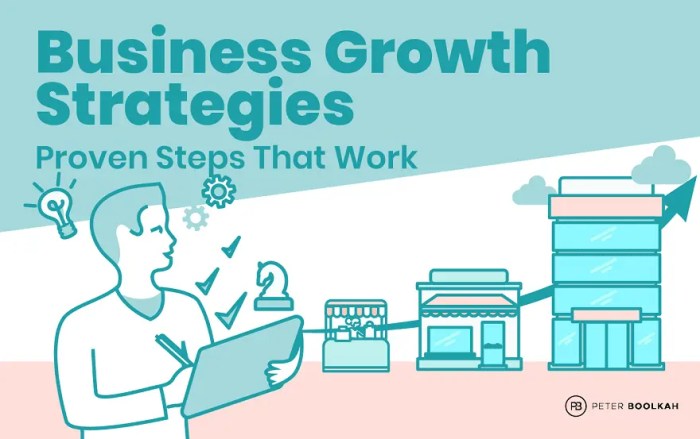
Technology plays a crucial role in driving cost-effective business growth by enabling companies to streamline operations, increase efficiency, and reduce expenses. By leveraging the right tech solutions, businesses can optimize processes, boost productivity, and ultimately enhance their bottom line.
Cost-effective Tech Solutions for Operational Efficiency
- Cloud Computing: Cloud computing allows businesses to access and store data on remote servers, eliminating the need for costly on-site infrastructure. It offers scalability, flexibility, and cost savings by only paying for the resources used.
- Artificial Intelligence (AI): AI-powered tools can automate repetitive tasks, analyze data to provide valuable insights, and enhance decision-making processes. By leveraging AI, businesses can improve efficiency and reduce operational costs.
- Automation Tools: Automation tools streamline workflows, reduce human error, and save time by handling routine tasks automatically. From email marketing to inventory management, automation can help businesses operate more efficiently and cost-effectively.
Employee Training and Development
Investing in employee training is crucial for long-term cost-effective growth in any business. By providing opportunities for skill development and ongoing learning, companies can enhance employee productivity, efficiency, and motivation, ultimately leading to improved business performance.
Training Programs for Employee Development
- On-the-job training: Hands-on experience and guidance from experienced colleagues can help employees quickly acquire new skills and knowledge.
- Professional development workshops: Workshops and seminars focused on specific areas such as leadership, communication, or technical skills can enhance employee capabilities.
- Certification programs: Supporting employees in obtaining industry certifications can not only boost their expertise but also increase credibility for the business.
Impact of a Well-Trained Workforce
A well-trained workforce can have a positive impact on the bottom line and overall business growth in various ways:
- Increased productivity: Employees with enhanced skills are more efficient in their roles, leading to higher productivity levels.
- Improved customer satisfaction: Well-trained employees provide better service, leading to increased customer satisfaction and loyalty.
- Reduced turnover: Investing in employee development shows a commitment to their growth, which can result in higher employee retention rates and lower recruitment costs.
- Innovation and adaptability: Continuous learning allows employees to stay updated on industry trends and technologies, enabling the business to adapt and innovate effectively.
Closure
In conclusion, the strategies Artikeld above offer a roadmap for businesses seeking sustainable growth while keeping costs in check. By implementing these tactics, companies can enhance their efficiency, productivity, and overall success in the long run.
FAQ
What does cost-effective business growth mean?
Cost-effective business growth refers to the ability of small or medium-sized enterprises to expand their operations and increase revenue while minimizing expenses and optimizing resources.
How can digital marketing contribute to cost-effective growth?
Digital marketing offers cost-effective ways to reach a wider audience, engage customers, and drive sales without the hefty price tag associated with traditional marketing methods.
Why are strategic partnerships important for cost-effective business growth?
Strategic partnerships allow businesses to pool resources, share expertise, and access new markets, leading to growth opportunities that would be costly to achieve independently.
What role does technology play in cost-effective growth?
Technology enables businesses to automate processes, improve efficiency, reduce operational costs, and enhance productivity, all of which are crucial for achieving cost-effective growth.
How does employee training impact cost-effective growth?
Investing in employee training enhances skills, boosts morale, and improves overall performance, leading to increased productivity, reduced turnover, and long-term cost savings for the business.