Embark on a journey to discover how maximizing cost efficiency in manufacturing can revolutionize operations and drive success. This topic delves into the intricacies of reducing costs, implementing lean principles, and leveraging technology for optimal efficiency. Get ready to explore the key strategies that can transform manufacturing processes and boost productivity.
Understanding Cost Efficiency in Manufacturing
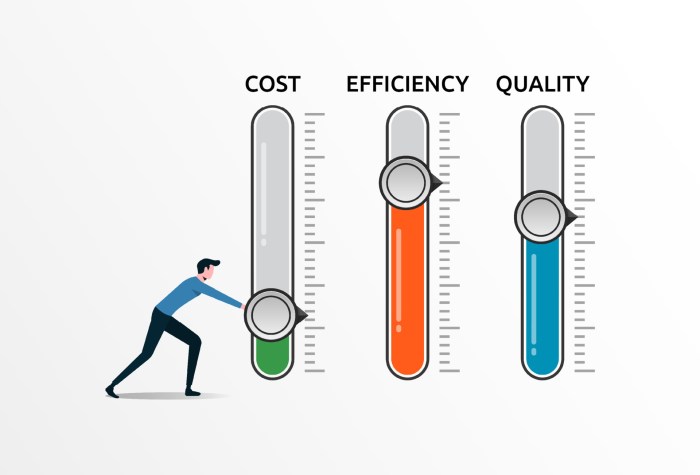
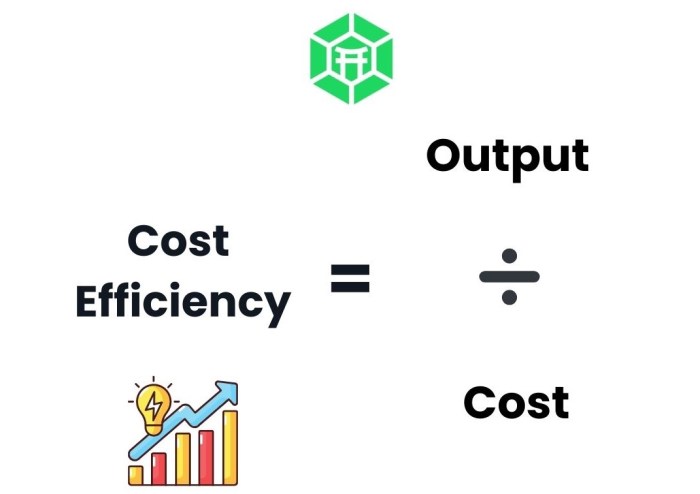
Cost efficiency in manufacturing refers to the ability of a company to produce goods or services at the lowest possible cost without sacrificing quality. It involves finding ways to minimize expenses while maximizing output and productivity.Maximizing cost efficiency in manufacturing processes is crucial for businesses to remain competitive in the market.
By reducing costs, companies can increase their profit margins, offer competitive pricing to customers, and invest in innovation and growth. This ultimately leads to long-term sustainability and success in the industry.Examples of how cost efficiency impacts the overall success of manufacturing operations include streamlined production processes, optimized supply chain management, and reduced waste.
By implementing cost-saving measures such as lean manufacturing techniques, automation, and efficient resource utilization, companies can improve their bottom line and stay ahead of the competition.
Cost Reduction Strategies
Cost reduction strategies play a crucial role in maximizing efficiency and profitability in manufacturing industries. By implementing various approaches, businesses can streamline their operations and minimize unnecessary expenses.
Lean Manufacturing
One common approach to reducing costs in manufacturing is through lean manufacturing principles. This strategy focuses on eliminating waste and optimizing processes to increase efficiency. By identifying and eliminating non-value-added activities, companies can reduce costs while improving overall productivity.
Automation and Technology Integration
Another effective cost reduction strategy is the integration of automation and technology in manufacturing processes. By automating repetitive tasks and utilizing advanced technologies such as robotics and AI, companies can increase production speed, reduce labor costs, and minimize errors.
Supply Chain Optimization
Optimizing the supply chain is also crucial for reducing costs in manufacturing. By streamlining logistics, improving inventory management, and establishing strong relationships with suppliers, businesses can lower transportation costs, minimize inventory holding costs, and enhance overall efficiency.
Energy Efficiency Initiatives
Implementing energy efficiency initiatives can significantly reduce operational costs in manufacturing. By investing in energy-efficient equipment, optimizing production schedules, and adopting sustainable practices, companies can lower energy consumption, decrease utility expenses, and contribute to environmental sustainability.
Lean Manufacturing Principles
Lean manufacturing is a systematic approach to identifying and eliminating waste in the production process while maximizing productivity. By focusing on efficiency and continuous improvement, lean principles aim to streamline operations and reduce costs in manufacturing.Implementing lean principles can help reduce waste such as overproduction, excess inventory, defects, and unnecessary processing.
This, in turn, leads to cost savings, improved quality, and increased productivity. Companies that embrace lean manufacturing often experience shorter lead times, higher customer satisfaction, and a more agile response to market changes.
Benefits of Lean Manufacturing
- Reduced inventory levels through just-in-time production
- Improved quality control and defect prevention
- Enhanced workplace efficiency and employee engagement
- Optimized production flow and layout for better workflow
Real-World Examples
- Toyota: Known for pioneering lean manufacturing with the Toyota Production System, leading to significant cost savings and high-quality vehicles.
- General Electric: Implemented lean principles across various divisions to improve efficiency and reduce waste, resulting in increased profitability.
- Boeing: Utilized lean manufacturing to streamline aircraft production processes, resulting in faster delivery times and improved competitiveness in the aerospace industry.
Technology and Automation
Technology and automation play a crucial role in optimizing cost efficiency in manufacturing. By leveraging Industry 4.0 technologies such as IoT, AI, and robotics, companies can streamline operations, enhance productivity, and ultimately reduce production costs.
Role of IoT in Manufacturing
IoT, or the Internet of Things, enables machines and devices to communicate and exchange data in real-time. In manufacturing, IoT can be utilized to monitor equipment performance, track inventory levels, and optimize production schedules. By implementing IoT solutions, companies can improve operational efficiency, minimize downtime, and reduce maintenance costs.
AI in Production Processes
Artificial Intelligence (AI) technologies can analyze vast amounts of data to identify patterns, predict outcomes, and optimize decision-making processes. In manufacturing, AI can be used for predictive maintenance, quality control, and demand forecasting. By harnessing the power of AI, companies can improve product quality, reduce waste, and optimize resource utilization.
Robotics for Automation
Robotics plays a key role in automating repetitive tasks, increasing production speed, and ensuring precision in manufacturing processes. Robotic arms, automated guided vehicles (AGVs), and collaborative robots (cobots) can perform tasks such as assembly, material handling, and packaging with high efficiency and accuracy.
By integrating robotics into their operations, companies can achieve higher output rates, lower labor costs, and improved product consistency.
Ultimate Conclusion
In conclusion, maximizing cost efficiency in manufacturing is crucial for sustained success in today's competitive landscape. By implementing the right strategies and embracing technological advancements, companies can streamline operations, reduce waste, and enhance overall productivity. Stay ahead of the curve by prioritizing cost efficiency in your manufacturing endeavors.
Answers to Common Questions
How can cost efficiency impact manufacturing operations?
Cost efficiency directly affects the profitability and competitiveness of manufacturing operations by optimizing resources and reducing wastage.
What are some effective cost reduction strategies in manufacturing?
Common strategies include process optimization, supplier negotiation, inventory management, and automation implementation.
Why is lean manufacturing important for maximizing cost efficiency?
Lean principles focus on eliminating waste and enhancing productivity, leading to significant cost savings and operational improvements.
How does technology like IoT and AI contribute to cost efficiency in manufacturing?
Technological advancements enable streamlined operations, predictive maintenance, and data-driven decision-making, all of which enhance cost efficiency.